
How Big Should Your Emergency Fund Be? A Practical Guide to Saving 3–6 Months of Expenses

How big should your emergency fund be? Learn the 3–6 month rule, who needs more, and a step-by-step plan to build it without stress.
The 50/30/20 Budget Rule: How to Split Your Paycheck Without Overthinking It

Learn the 50/30/20 budget rule with real examples: 50% needs, 30% wants, 20% savings. A simple paycheck split that actually sticks.
Debt Consolidation Loan: Pros, Cons, and When It Actually Saves You Money

Is a debt consolidation loan right for you? Compare pros and cons, run the real math, and see when consolidation saves money — and when it costs more.
Envelope Budgeting Method: A Beginner’s Guide to Cash Budgeting That Works

Learn the envelope budgeting method: how cash envelopes stop overspending, how to set yours up in a week, and how to adapt it with cards and apps.
CD Ladder Strategy: Earn More Interest Without Locking All Your Money Away
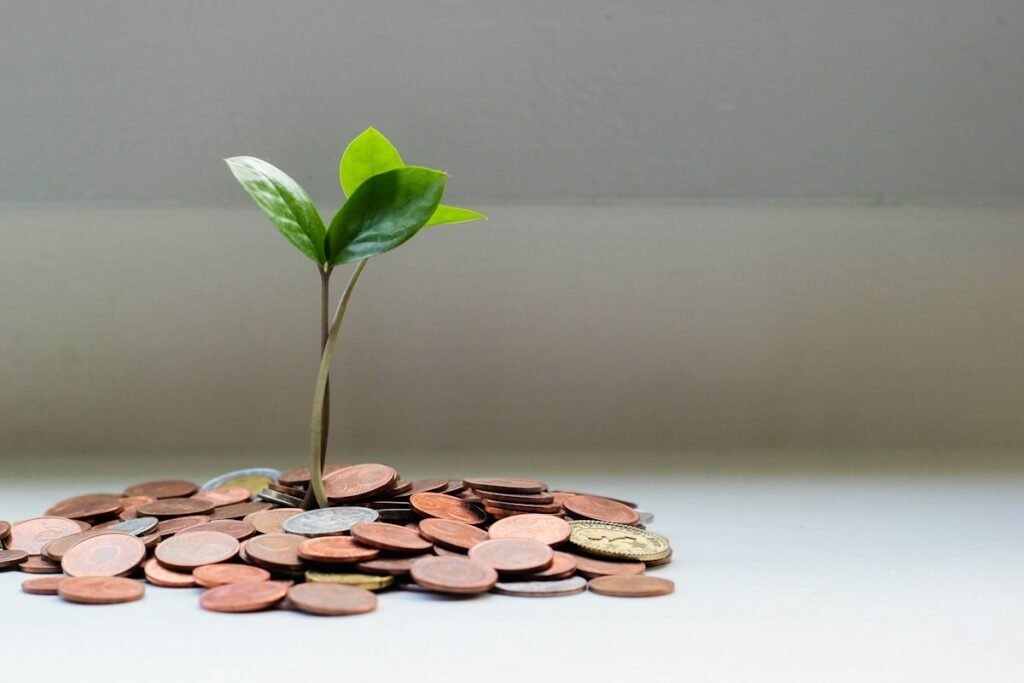
A CD ladder strategy means splitting your savings across several certificates of deposit (CDs) with staggered maturity dates, so some money frees up every year instead of all of it being locked away for years. You earn higher rates than a regular savings account on most of the money, while still getting regular access to […]
How to Budget on an Irregular Income: A Freelancer’s Guide That Actually Works

To budget on irregular income, stop budgeting from what you hope to earn and start budgeting from your lowest realistic month. Build a baseline budget that covers essentials, keep a one-month buffer in checking, and split every payment by percentage instead of fixed amounts — so good months fund the lean ones automatically. Freelancers, gig […]
High-Yield Savings Accounts: Are They Worth It in 2026?

A high-yield savings account is a savings account that pays an interest rate many times higher than the national average for traditional banks — often 10 to 20 times more. In 2026, with online banks still offering competitive annual percentage yields (APYs), the short answer is yes, they are worth it for money you need […]
Pay Yourself First: The Automatic Savings Habit That Actually Sticks
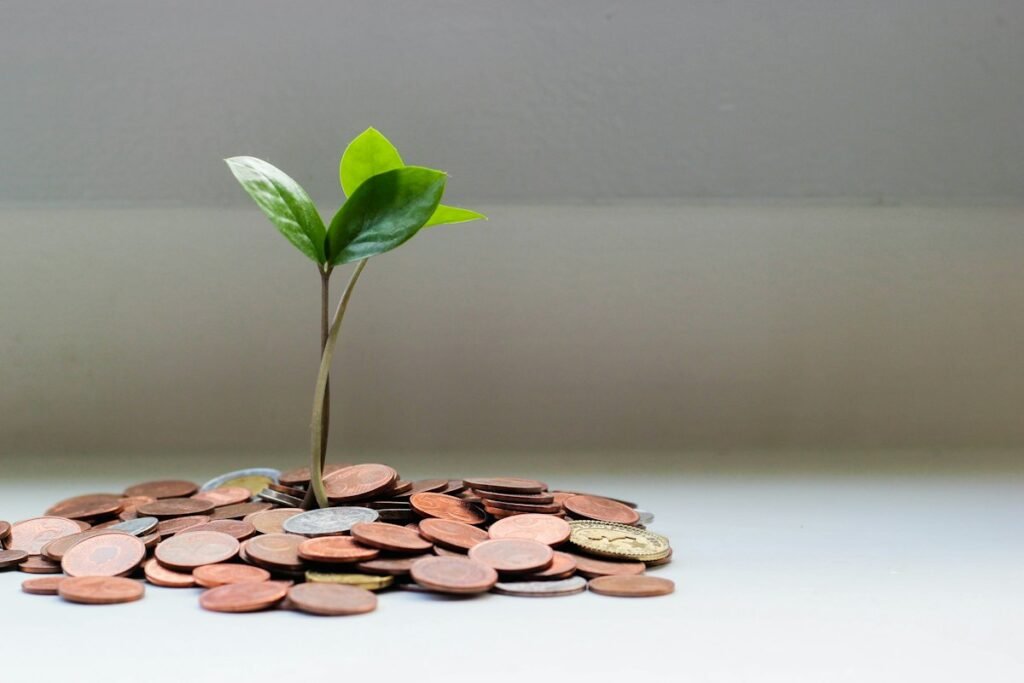
Pay yourself first means moving money into savings the moment you get paid — before rent, before groceries, before anything else gets a chance to eat it. Instead of saving whatever is left at the end of the month (usually nothing), you treat savings like your most important bill, and you pay it first, automatically. […]
Roth IRA vs 401(k): Which Retirement Account Should You Max Out First?
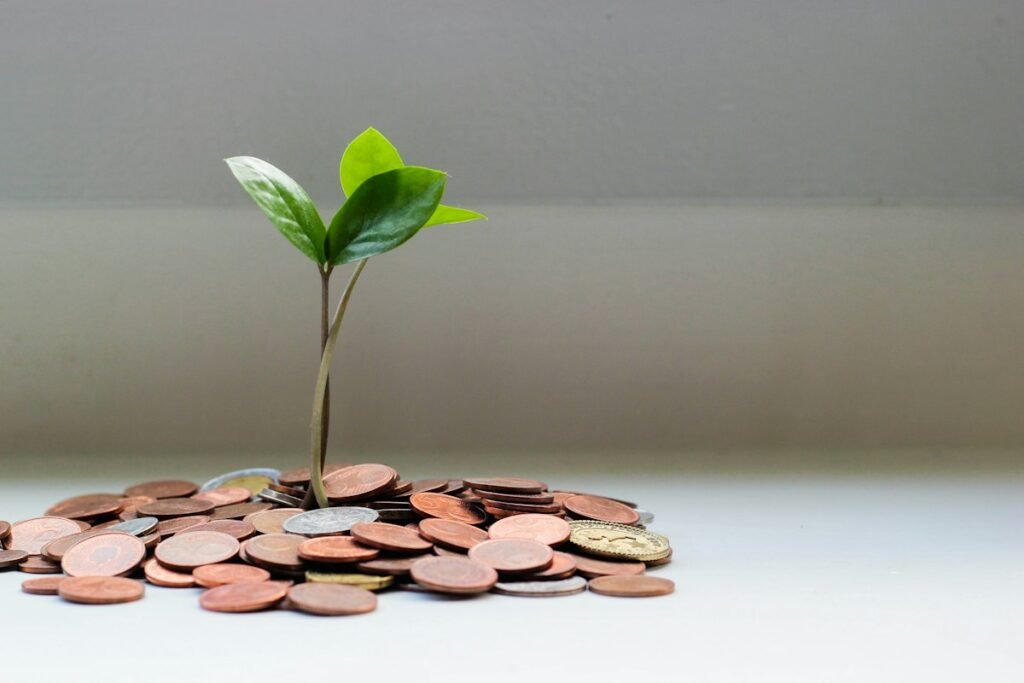
Roth IRA vs 401(k) is the retirement question almost everyone gets wrong at first: they pick one account, fund it randomly, and leave free money on the table. The right order is simple — get the 401(k) employer match first, then max out a Roth IRA, then go back to the 401(k). Here’s exactly why, […]